Views: 0 Author: Site Editor Publish Time: 2026-11-05 Origin: Site


The global manufacturing and construction sectors are facing a massive paradigm shift regarding material safety. Environmental agencies worldwide are implementing strictly regulated guidelines. Consequently, the demand for sustainable and ecologically friendly fire protection has surged. Historically, chemical industries relied heavily on halogenated compounds to suppress fires. However, growing concerns over toxic emissions and environmental persistence have forced a complete change in formulation strategies.
Enter Flame Retardant Melamine Polyphosphate, widely recognized as a leading halogen-free intumescent additive. As regulations tighten around traditional toxic retardants, materials engineers are rapidly pivoting toward these advanced nitrogen-phosphorus alternatives. This comprehensive guide explores the chemical formula, core functions, and primary industrial uses of this compound. We will provide actionable insights for manufacturers looking to upgrade their fire safety protocols without sacrificing mechanical performance.
Eco-Friendly Safety: This additive operates as a highly effective halogen-free alternative. It fully complies with strict international environmental regulations like RoHS and REACH. This guarantees safer end-products.
Intumescent Function: It works primarily through an advanced intumescent mechanism. When exposed to high heat, it expands to form a robust protective char layer. This barrier insulates the underlying material and cuts off the oxygen supply.
High Thermal Stability: The compound demonstrates exceptional heat resistance. It is uniquely suited for high-temperature processing environments, particularly in engineering plastics like glass-fiber reinforced PA66.
Versatile Uses: Beyond standard plastics, it sees widespread application in rigid and flexible polyurethane foams, industrial textiles, and intumescent protective coatings.
Synergistic Potential: It functions effectively as a standalone retardant. Yet, operators often combine it with other synergists like pentaerythritol or specific metal oxides. This boosts overall fire resistance and optimizes formulation costs.
Let us look at the current market trajectory. The explosive growth of electric vehicles and the global push for green building certifications demand better materials. Manufacturers are no longer satisfied with baseline fire resistance. Modern industry needs multifunctional additives that support full lifecycle sustainability.
Recent market data shows a sharp decline in legacy brominated and chlorinated systems. During combustion, these older materials release highly toxic corrosive gases and persistent organic pollutants. Nitrogen-phosphorus compounds fit perfectly into the global decarbonization trend. They provide superior protection while eliminating severe health drawbacks. This directly aligns with the latest toxicity mandates across the European and North American markets.
To accurately evaluate the utility of this additive in industrial applications, one must first grasp its fundamental chemical properties. Understanding the structure helps engineers predict how it will behave on the extrusion line.
The chemical formula is typically represented as [C3H6N6·HPO3]n. It is a complex polymeric compound. We synthesize it by combining melamine as a rich nitrogen source with polyphosphoric acid as the crucial phosphorus source. This specific chemical marriage results in a highly stable cross-linked crystalline structure.
Because of its polymeric nature, the compound exhibits almost zero solubility in water. This makes it incredibly resistant to leaching. It will not degrade even when deployed in persistently humid environments. Furthermore, the robust chemical bonds within this matrix contribute directly to its high thermal stability. From a practical standpoint on the factory floor, the powder remains completely inert during aggressive manufacturing processes like high-shear compounding in a twin-screw extruder.
The efficacy of this formulation is rooted in a dual-action approach. It does not merely resist fire. It actively alters the physical and chemical combustion environment to suppress flame propagation.
The primary defense mechanism is an intumescent process. This relies on three critical components: an acid source, a carbon source, and a blowing agent. Within this system, the polyphosphoric acid acts as the acid source. The host polymer matrix typically serves as the carbon source. The melamine provides the nitrogen-based blowing agent.
When localized heat from an open flame hits the material, a rapid chemical reaction triggers immediately. The additive causes the surrounding polymer to swell significantly. It creates a thick, porous, and highly stable carbonaceous char layer on the surface. Think of this char layer as a customized heat shield. It physically blocks radiant heat transfer to the deeper layers of the plastic. Simultaneously, it prevents ambient oxygen from reaching the underlying combustible fuel.
In addition to the physical char barrier, the compound utilizes a secondary gas-phase mechanism. As it reaches its decomposition temperature, it undergoes an endothermic reaction. It essentially absorbs massive amounts of ambient heat from the flame zone to cool the substrate.
Specifically, the breakdown of the melamine component releases inert non-combustible gases like nitrogen and ammonia. The rapid expulsion of these gases dilutes the local concentration of oxygen. It also scatters highly flammable polymer degradation products. By forcing the concentration of combustible fuel and oxygen below their flammability limits, the additive effectively suffocates the fire in real-time.
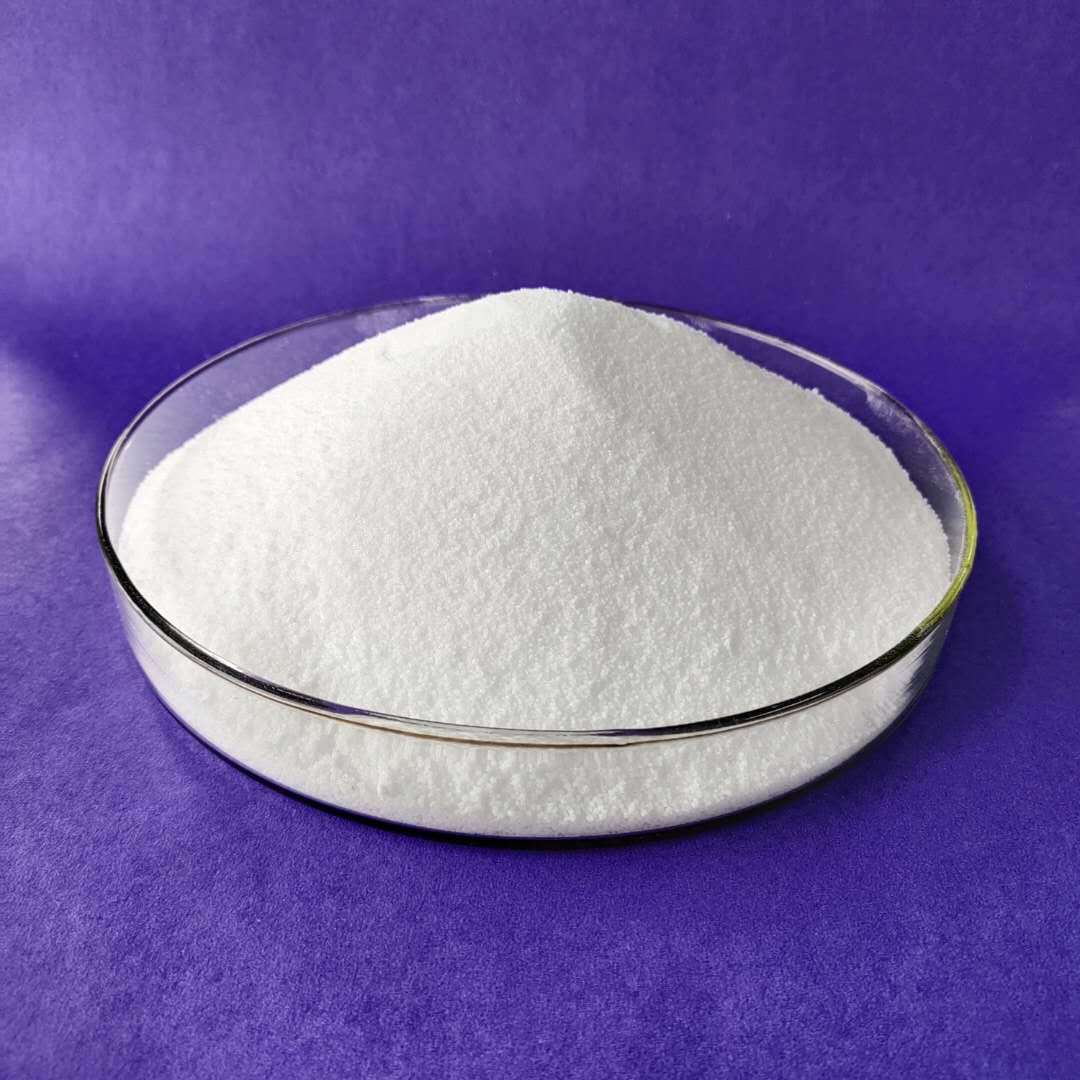
Because of its unique thermal and chemical properties, engineers integrate this formulation into a wide array of demanding industrial applications. It truly shines where aggressive processing temperatures are the norm.
One of the most prominent applications is in the formulation of engineering plastics. Glass-fiber reinforced polyamides and polybutylene terephthalate require extremely high processing temperatures. These often exceed 280°C. Legacy additives simply burn up or degrade at these temperatures. This causes severe material discoloration and a catastrophic loss of mechanical properties.
When formulating under-the-hood automotive parts, integrating Flame Retardant Melamine Polyphosphate ensures the material survives the compounding process intact. High-quality grades feature a decomposition temperature exceeding 350°C and a fine particle size distribution of D50 ≤ 10μm. This ensures flawless dispersion and reliable UL94 V-0 safety ratings in the final molded components.
Manufacturers frequently mill this compound into ultra-fine particulates for integration into both rigid and flexible polyurethane foams. In the automotive industry, flexible PU foams are standard for seating and interior acoustic insulation. Strict flammability standards apply here. Conversely, rigid PU foams utilizing this additive provide excellent structural insulation for commercial buildings. They ensure full compliance with modern fire codes without collapsing the cellular structure of the foam.
In the construction and infrastructure sectors, protecting load-bearing elements is a critical safety requirement. This additive serves as a foundational active ingredient in intumescent paints applied to structural steel columns. During a building fire, the infused coating expands into a massive insulating foam. It delays the critical temperature rise of the steel and prevents premature structural collapse. This buys occupants vital evacuation time.
Selecting the appropriate safety additive is a critical decision. It impacts product viability, manufacturing efficiency, and regulatory compliance. This compound offers distinct operational advantages that solve everyday extrusion headaches.
During the compounding phase on a twin-screw extruder, operators often struggle with additives that degrade prematurely. This leads to clogged dies, severe off-gassing, and equipment corrosion. The exceptional thermal threshold of this material eliminates these issues. Manufacturers can process filled polymers at higher speeds and temperatures without risking premature degradation.
In the event of an actual fire, smoke inhalation poses a far greater threat to human life than the flames themselves. Halogenated retardants generate dense blinding black smoke and corrosive hydrogen halide gases. In contrast, this nitrogen-phosphorus compound produces a remarkably low smoke density. The gases released are primarily inert. This low-smoke profile is absolutely vital for applications in enclosed spaces like aircraft interiors and server rooms.
To make an informed procurement decision, engineers must evaluate how this compound stacks up against other popular halogen-free alternatives. Here is a direct technical comparison.
Feature | Melamine Polyphosphate | Ammonium Polyphosphate | Melamine Cyanurate |
|---|---|---|---|
Thermal Stability | Excellent > 350°C | Moderate ~ 270°C | Good ~ 320°C |
Water Resistance | Outstanding | Poor to Moderate | Excellent |
Best Application | Glass-fiber PA66, PBT, High-temp plastics | Intumescent coatings, PU foams | Unfilled PA6, TPU |
Primary Mechanism | Intumescent char formation | Acid source for charring | Sublimation and cooling |
Proper handling and precise formulation are required to maximize efficacy while maintaining the mechanical integrity of the final product.
The required dosage depends heavily on the base polymer and the target safety standard. Generally, a loading level ranging from 20% to 30% by weight is required when used as the sole retardant in engineering plastics. To optimize the intumescent effect and reduce overall material costs, engineers frequently blend it with synergistic agents. Mixing it with carbon-rich compounds like pentaerythritol or small amounts of zinc borate accelerates char formation. This improves the density of the protective barrier and acts as an additional smoke suppressant.
Procuring high-quality raw materials is just as critical as the formulation engineering itself. Variations in product quality lead to significant inconsistencies in fire resistance. When evaluating suppliers, procurement teams must prioritize strict quality control metrics. The particle size distribution directly affects how uniformly the powder disperses. A high whiteness index is also crucial for manufacturers producing light-colored plastics. Impurities easily cause unwanted yellowing during high-temperature extrusion.
The transition toward safer and more sustainable manufacturing materials is no longer just a regulatory hurdle. It is a fundamental industry standard. Flame Retardant Melamine Polyphosphate stands out as a premier halogen-free solution. It offers an exceptional balance of high thermal stability, robust intumescent char formation, and low-smoke emissions.
Whether you are compounding glass-fiber reinforced auto parts or developing advanced fireproof coatings, this additive delivers reliable eco-friendly protection. As global fire safety standards continue to evolve, reviewing your current formulations is essential. Integrating advanced nitrogen-phosphorus technologies will provide your products with a distinct competitive advantage. For premium formulations and guaranteed compliance, explore the high-performance material solutions at Kingway. Reach out to their technical support team today to request samples and optimize your compounding strategy.
Yes, it is 100% halogen-free. It relies entirely on a synergistic combination of nitrogen and phosphorus to achieve its fire resistance. This makes it an environmentally friendly alternative that fully complies with global directives like RoHS and REACH. It produces no toxic halogenated gases or corrosive acids during combustion.
The primary differences lie in their specific degree of polymerization and the resulting thermal stability. While both are excellent intumescent flame retardants, the polyphosphate variant generally possesses a higher degree of polymerization. This translates to slightly higher thermal stability and lower water solubility. It is highly preferable for the most demanding high-temperature plastics.
Absolutely. When formulated correctly and applied at the appropriate dosage, it helps highly demanding materials achieve a strict UL94 V-0 fire safety rating. The typical loading dose is between 20% and 30% by weight depending on the polymer matrix.
No, it has extremely low water solubility due to its stable cross-linked polymeric structure. This characteristic ensures that its protective properties do not wash out, leach, or degrade when the end-product is exposed to highly humid environments over extended periods.
Yes, the compound is inherently non-toxic and non-corrosive. However, because it is supplied as a fine industrial powder, standard dust handling precautions must be strictly followed. Factory workers should use appropriate dust masks and ensure proper facility ventilation to prevent mild mechanical irritation to the respiratory system.
High-quality grades exhibit a decomposition temperature exceeding 350°C. This exceptional thermal stability allows it to be processed safely in high-temperature engineering plastics like glass-fiber reinforced PA66 and PBT without degrading or off-gassing.
When sourced with a fine particle size distribution and dispersed properly, it has minimal impact on the mechanical properties. It maintains the tensile and impact strength of the base polymer while simultaneously preserving excellent electrical insulation properties like the Comparative Tracking Index.


