Views: 0 Author: Site Editor Publish Time: 2026-11-05 Origin: Site


Polymer fires present a massive liability for industrial manufacturing, costing billions annually in damages and operational downtime. The global push for sustainable safety materials has fundamentally shifted compounding strategies. Historically, operators relied on halogenated chemicals to suppress flames. Today, the landscape is completely different. Modern production lines demand halogen-free alternatives to solve pressing environmental and life-safety challenges without sacrificing mechanical performance.
Recent market analyses highlight a definitive shift in the polymer additives sector. Driven largely by the rapid expansion of the electric vehicle sector and the continuous miniaturization of consumer electronics, thermal management requirements have skyrocketed. Manufacturers are actively phasing out legacy brominated systems. Instead, the industry focus has pivoted to nitrogen-phosphorus intumescent systems that maintain electrical performance and ensure regulatory compliance. In this context, Flame Retardant Melamine Polyphosphate has emerged as a cornerstone additive for high-temperature engineering plastics.
It serves as a highly efficient, halogen-free intumescent fire-resistant additive utilized extensively across the global polymer manufacturing industry.
The compound operates through a specialized solid-phase char-forming mechanism. It expands under high heat to create a protective thermal barrier that effectively cuts off oxygen and restricts heat transfer.
It exhibits exceptional thermal stability with a decomposition temperature exceeding 350 degrees Celsius. This makes it an ideal candidate for processing high-temperature engineering plastics like glass-fiber-reinforced Polyamides and Polypropylene.
When combined with specific carbon-donating synergists like pentaerythritol, the overall fire performance and intumescent efficiency increase significantly.
Transitioning to this additive assists manufacturers in maintaining strict compliance with evolving environmental regulations like RoHS and REACH by drastically reducing toxic smoke and corrosive gas emissions.
The molecular architecture of melamine polyphosphate drives its performance on the factory floor. It is a macromolecular compound synthesized through the complex polymerization of melamine and phosphoric acid. This precise structure combines a high concentration of nitrogen derived from the melamine triazine ring with phosphorus from the polyphosphate chains. The inherent synergy between nitrogen and phosphorus creates a formidable flame-retarding agent. It acts through multiple physical and chemical pathways when exposed to extreme thermal stress.
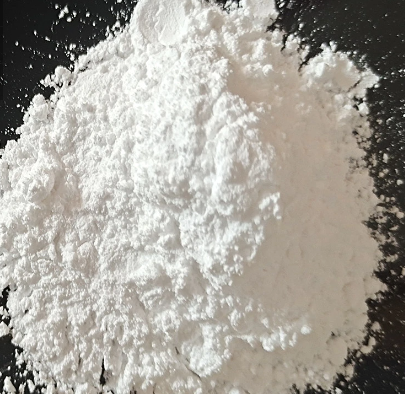
Physically, high-quality grades present as a fine, free-flowing white powder. One of its most critical physical properties is its exceptionally low water solubility. Unlike traditional phosphorus-based additives that tend to migrate to the surface of molded parts, it resists leaching in humid environments. This characteristic ensures long-term performance in end-use products. Furthermore, empirical data demonstrates that its polymeric structure grants it exceptional thermal stability. Operators can run modern plastic extrusion and injection molding equipment at peak temperatures without worrying about the powder undergoing premature decomposition inside the barrel.
While they share a similar nomenclature, simple melamine phosphate and its polymerized version exhibit distinct behavioral differences. Melamine phosphate is a monomeric salt. It typically begins to decompose at lower temperatures around 200 to 250 degrees Celsius and exhibits a higher degree of water solubility. These characteristics severely limit its application in engineering plastics that require high-temperature compounding.
In contrast, the polyphosphate form undergoes a condensation reaction that links the phosphate units into robust, long chains. This polymerization process fundamentally alters the thermal profile of the compound. The polyphosphate variant offers superior heat resistance. Because it does not degrade prematurely, it is vastly superior for high-temperature polymer extrusion and molding.
The primary protective action lies in its intumescent swelling process. When a polymer matrix containing Flame Retardant Melamine Polyphosphate is exposed to an external heat source, the additive initiates a complex sequence of endothermic reactions. Initially, the polyphosphate chains decompose to yield polymeric phosphoric acid. This strong acid immediately acts as a dehydrating agent on the surrounding polymer matrix or added carbon sources.
Through this catalytic dehydration, the polymer undergoes rapid cross-linking and carbonization. Instead of melting and dripping, which is a dangerous phenomenon that rapidly spreads fires, the material forms a robust carbonaceous char. Spectroscopic analyses indicate that this solid-phase char is highly structured. As the material carbonizes, blowing agents within the formulation cause the char to swell. It expands its volume significantly to protect the virgin plastic underneath.
Simultaneously, the compound operates through a secondary gas-phase mechanism. As the melamine component breaks down under thermal stress, it releases a substantial volume of non-combustible gases like nitrogen and ammonia. This sudden release of inert gas serves two critical functions in fire suppression.
First, the gases actively dilute the concentration of oxygen in the immediate vicinity of the flame zone. Without sufficient oxygen, the combustion cycle starves and eventually stops. Second, the endothermic nature of this decomposition process absorbs latent heat from the environment. The release of these gases effectively cools the heat source and dilutes any flammable volatile organic compounds off-gassing from the degrading polymer.
The culmination of the solid-phase and gas-phase mechanisms is the formation of a swollen, porous thermal insulation barrier on the surface of the polymer. This intumescent char layer acts as both a physical and thermodynamic shield. Its cellular structure traps pockets of gas that naturally possess low thermal conductivity. By preventing direct flame contact and severely restricting heat transfer into the underlying virgin polymer, the char layer stops the continuous generation of flammable degradation products.
As automotive manufacturers aggressively replace heavy metal components with lightweight glass-fiber-reinforced plastics, the thermal stress on these parts increases exponentially. Consequently, the market actively relies on thermally stable additives that survive harsh under-the-hood environments.
Polypropylene is widely used across the automotive, construction, and consumer goods sectors. However, its inherent flammability requires robust chemical modification. Compounders extensively utilize melamine polyphosphate in Polypropylene formulations because it facilitates the achievement of stringent UL94 V-0 flame retardancy ratings without compromising structural integrity. Because the additive processes efficiently within the typical 190 to 220 degree Celsius temperature range of polyolefins, it disperses uniformly within the matrix.
Engineering plastics like Polyamide 6 and Polyamide 66 present a unique challenge due to their high processing temperatures. This challenge multiplies when glass fibers are introduced to reinforce the plastic. Glass fibers often cause a wicking effect that accelerates burning. During the compounding of glass-fiber reinforced Polyamide 66, temperatures routinely exceed 270 degrees Celsius. Standard flame retardants often volatilize or degrade at these temperatures. The exceptional thermal stability of the polyphosphate allows it to endure these elevated processing conditions. It actively interacts with the polyamide chains at ignition temperatures, promoting rapid cross-linking and a stable char that counteracts the glass fiber wicking effect.
Beyond polyolefins and polyamides, this compound plays a crucial role in formulating Thermoplastic Polyurethanes and advanced epoxy resins. The wire and cable industry heavily utilizes Thermoplastic Polyurethanes, where flexibility, durability, and strict fire safety standards are mandatory. The additive provides an effective intumescent solution that avoids the stiffness and processing issues associated with heavy mineral fillers like aluminum hydroxide.
To fully understand the value of upgrading polymer formulations, process engineers must evaluate how different additive classes perform across key manufacturing metrics. The table below outlines the distinct advantages of utilizing advanced polyphosphate systems.
Performance Metric | Brominated FR Systems | Melamine Phosphate | Melamine Polyphosphate |
|---|---|---|---|
Thermal Stability | Moderate to High | Low (Decomposes ~200°C) | Excellent (>350°C) |
Environmental Compliance | Poor (Restricted by RoHS/REACH) | Excellent (Halogen-Free) | Excellent (Halogen-Free) |
Smoke Toxicity | High (Releases corrosive acid gases) | Low | Extremely Low |
Water Solubility | Insoluble | Moderate (Prone to migration) | Very Low (< 0.1 g/100ml) |
Best Application | Legacy formulations | Low-temp intumescent coatings | High-temp engineering plastics |
To maximize the efficiency of intumescent systems, material scientists frequently utilize synergistic formulations. The classic intumescent system relies on three distinct components: an acid source, a carbon source, and a blowing agent. The polyphosphate uniquely functions as both an exceptional acid source yielding phosphoric acid and a blowing agent releasing nitrogen and ammonia. However, many base polymers lack sufficient carbon-forming capabilities on their own.
By reacting or physically blending the additive with a polyhydric alcohol like Pentaerythritol, manufacturers create a highly efficient fire-retardant system. During a fire event, the phosphoric acid generated reacts with the hydroxyl groups of the Pentaerythritol in a rapid esterification process. This forms a dense carbon-rich ester network that subsequently expands into a voluminous char. When operators feed these optimized blends into a twin-screw extruder, the synergistic system allows for lower overall additive loading levels. This practice preserves the mechanical properties of the base polymer.
Modern polymer formulation often involves complex multi-component systems designed to optimize both cost and performance. The compound demonstrates excellent compatibility with other advanced halogen-free additives, particularly metal phosphinates like aluminum diethyl phosphinate and inorganic compounds like zinc borate. When combined with aluminum phosphinates, it acts as a powerful synergist in glass-fiber reinforced polyamides. The metal phosphinates operate primarily in the gas phase by scavenging free radicals, while the polyphosphate dominates the solid-phase char formation. This dual-action mechanism allows formulators to significantly lower the overall dosage required to achieve a UL94 V-0 rating.
For procurement managers and process engineers, selecting the appropriate grade is vital for ensuring optimal performance in the final polymer matrix. Not all polyphosphates perform equally under high shear. A rigorous engineering checklist should focus on specific analytical parameters to guarantee consistent batch-to-batch quality.
Particle Size Distribution: A fine, uniform particle size with a D50 under 10 microns is essential. This ensures homogenous dispersion within the polymer melt. Poor dispersion creates weak spots in mechanical strength and localized failures during fire testing.
Nitrogen and Phosphorus Content: High-purity grades should exhibit consistent elemental ratios. Look for a Nitrogen content between 42% and 44%, and a Phosphorus content between 12% and 14%. These specific ratios dictate the efficiency of the intumescent reaction.
Moisture Content: The powder must have extremely low residual moisture, typically less than 0.2%. Excess moisture causes hydrolysis or steam-induced surface defects during high-temperature injection molding.
Thermal Decomposition: Independent thermogravimetric analysis must verify that the 1% weight loss temperature exceeds 350 degrees Celsius. This confirms the material will survive aggressive extrusion parameters.
The consistency of the raw materials directly impacts the safety and compliance of the final consumer product. Therefore, guiding your procurement strategy toward reputable, specialized suppliers is a critical business decision. Manufacturers must partner with suppliers who utilize advanced synthesis methods and maintain rigorous quality control over their polymerization processes. Integrating Flame Retardant Melamine Polyphosphate tailored specifically for advanced polymer applications reduces fail rates and optimizes synergistic formulations on the production line.
Advanced polyphosphate additives play an undeniably critical role in modern polymer compounding. They provide excellent fire resistance through reliable solid-phase char formation and gas-phase dilution. More importantly, this halogen-free technology helps manufacturing facilities meet strict environmental regulations while protecting end-users from toxic smoke and corrosive gases.
As global safety and environmental standards continue to tighten, upgrading legacy formulations is no longer optional. It is an engineering necessity for future-proofing polymer products. We highly encourage material scientists and procurement teams to review their current polymer formulations today. For verified, high-purity chemical solutions that meet exact engineering specifications, consult with specialized manufacturers like Kingway to integrate these advanced compounds effectively into your production lines.
No, it is widely recognized as a halogen-free, environmentally responsible additive. Unlike traditional brominated or chlorinated compounds, it does not release toxic halogens, dioxins, or corrosive acid gases when subjected to combustion. Its primary decomposition byproducts are nitrogen, ammonia, and water vapor. This makes it significantly safer for human health during a fire event and ensures compliance with strict global environmental directives such as RoHS and REACH.
Yes, it is highly suitable for application in glass-fiber reinforced polymers, particularly tough engineering plastics like Polyamide 6 and Polyamide 66. The incorporation of glass fibers typically requires elevated compounding and injection molding temperatures. Because it possesses exceptional thermal stability, it endures these severe processing conditions without undergoing premature thermal degradation, thereby maintaining both the structural integrity and the fire resistance of the reinforced composite.
High-quality engineering grades typically exhibit a thermal decomposition temperature exceeding 350 degrees Celsius, measured at 1% weight loss via Thermogravimetric Analysis. This high heat resistance is a primary advantage over other phosphorus-based alternatives because it provides a broad processing window. It allows machine operators to safely compound the additive alongside high-melting-point thermoplastics without risking discoloration, off-gassing, or loss of mechanical properties.
While both compounds are phosphorus-nitrogen-based intumescent flame retardants, they serve different application niches based on their physical properties. Melamine Polyphosphate demonstrates significantly higher thermal stability and much lower water solubility compared to Ammonium Polyphosphate. These characteristics make it the superior choice for high-temperature engineering plastics and outdoor applications where resistance to moisture extraction and weathering is a critical requirement. Ammonium Polyphosphate is more commonly utilized in intumescent coatings and lower-temperature polymers.
Any solid additive has the potential to influence the mechanical profile of a polymer. However, because formulators utilize it in synergistic blends that lower the overall loading dosage, the impact is minimized. Furthermore, high-quality grades are manufactured with a very fine particle size under 10 microns, allowing it to disperse uniformly within the polymer matrix. This homogeneous dispersion minimizes stress concentrations, effectively helping to preserve the baseline tensile strength, elongation, and impact resistance of the host plastic.
Melamine cyanurate is a salt of melamine and cyanuric acid that acts primarily as a nitrogen-based flame retardant, working through sublimation and gas-phase cooling. It is highly effective in unfilled polyamides but struggles in glass-fiber reinforced plastics. Melamine polyphosphate contains both nitrogen and phosphorus, allowing it to form a robust intumescent char in the solid phase. This dual-action mechanism makes the polyphosphate vastly superior for demanding applications like glass-fiber reinforced nylon and high-performance polyolefins.
Achieving optimal dispersion requires utilizing a twin-screw extruder with a customized screw profile designed for high shear mixing. Engineers often introduce the powder downstream using side feeders to minimize the residence time and shear stress on the additive, although its high thermal stability allows for main hopper feeding in many setups. Ensuring the raw material has a fine particle size distribution and a moisture content below 0.2% is critical to preventing agglomeration and achieving a homogeneous melt.


