Views: 0 Author: Site Editor Publish Time: 2026-11-05 Origin: Site


Modern engineering projects face unprecedented regulatory demands for fire safety and thermal stability. From high-density urban infrastructure to advanced aerospace design, the margin for error is zero. Recent industry analyses highlight a massive shift in material science, driven heavily by the surge in electric vehicle manufacturing and complex mass transit systems. The rapid transition to high-voltage battery architectures requires battery enclosures that can survive sudden thermal runaway events. Engineers and procurement managers constantly struggle to find materials capable of surviving extreme heat, resisting harsh chemicals, and preventing the spread of fire without releasing toxic smoke.
Phenolic composites have emerged as the industry-standard solution to this complex engineering challenge. These thermosetting plastics offer an inherent fire-resistant profile. They deliver a unique combination of high-temperature endurance and chemical inertness. We will explore the thermochemical science behind their performance, examine real-world safety metrics, and discuss how innovative additives are pushing these materials to new limits.
Inherent Fire Safety: Phenolic composites naturally resist ignition. Upon exposure to extreme heat, they generate a protective carbonized layer known as char. This functions as a highly effective barrier against flame propagation.
Exceptional Thermal Stability: These thermosetting polymers maintain strict structural integrity in high-temperature environments. Traditional thermoplastics would warp, melt, or catastrophically fail under the same conditions.
Top-Tier Safety Ratings: Standardized empirical testing demonstrates that phenolic materials consistently achieve UL-94 V-0 ratings and high Limiting Oxygen Index scores.
Corrosion Resistance: The highly cross-linked molecular structure provides exceptional immunity to solvents, mild acids, and harsh industrial chemicals. This significantly extends component lifespans in corrosive settings.
Customizable Performance: The baseline properties of phenolic resins can be further enhanced with advanced physical modifiers or specialized chemical additives to meet precise military and industrial specifications.
To fully grasp the industrial value of phenolic composites, we must examine their fundamental chemical architecture. Phenolic resins are synthetic thermosetting polymers synthesized through a polycondensation reaction between phenol and formaldehyde. This specific chemical process creates a densely cross-linked, three-dimensional molecular network. This network dictates the physical rigidity and thermal behavior of the material.
A functional composite material is formed when these raw resins are impregnated into specific reinforcing substrates. Depending on the mechanical requirements, manufacturers might utilize heavy-duty kraft paper to create phenolic paper sheets. They might use woven cotton fabric to produce CE phenolic sheets, or woven glass fibers for extreme structural strength. The combination of the rigid resin matrix and the reinforcing substrate results in a highly durable, load-bearing composite.
The most defining characteristic of these materials is their innate ability to resist fire. Unlike thermoplastics such as polyethylene or PVC, phenolic composites are thermosetting. Once cured, their cross-linked molecular bonds cannot be reversed or melted by heat. Imagine the rigorous environment of an aerospace cabin. Materials here cannot simply liquefy or produce flaming drips. Flaming drips are a primary cause of secondary fire spread in industrial accidents. Furthermore, even under forced combustion, the molecular structure ensures the material emits exceptionally low levels of smoke and toxic gases.
The remarkable fire resistance of phenolic composites is not merely a matter of possessing a high melting point. Rather, it is the result of a specific thermochemical reaction known as pyrolysis. When a standard polymer is exposed to a direct heat source, it rapidly decomposes into volatile, combustible gases that actively fuel the fire. Phenolic composites behave entirely differently under severe thermal stress.
Instead of undergoing rapid oxidation and burning, the phenolic matrix undergoes controlled pyrolysis. As the surface temperature rises, the chemical bonds begin to break down. However, rather than releasing large volumes of flammable gas, the material cross-links further and carbonizes. This process leaves behind a dense, solid carbonized layer.
This carbonized layer serves as an active, self-generating flame retardant barrier. The char is highly thermally stable and possesses extremely low thermal conductivity. Once formed on the exterior of the composite, it acts as an insulating shield. It protects the underlying virgin material from external heat flux. Simultaneously, this dense char physically blocks the release of any underlying combustible gases and starves the combustion zone of oxygen.
The real-world impact of this charring mechanism is profound. In structural fires, the primary danger is often the rapid, unpredictable collapse of load-bearing materials. Because the carbonized layer prevents the internal core of the phenolic composite from degrading, the material retains a significant portion of its mechanical strength during a fire event. This delayed structural failure provides critical evacuation time for occupants.
Moving beyond pure fire resistance, thermal stability is a non-negotiable requirement in modern manufacturing. Phenolic composites are engineered specifically to operate in environments that would quickly destroy standard plastics. The continuous operating temperatures for phenolic materials typically exceed 150 degrees Celsius. Specialized glass-reinforced grades are capable of withstanding continuous exposure up to 200 degrees Celsius or higher without mechanical degradation.
To put this into perspective, let us look at how phenolic composites stack up against other common industrial polymers.
Material Type | Thermal Stability | Fire Behavior | Cost-to-Performance | Best Application |
|---|---|---|---|---|
Phenolic Composites | Excellent up to 200°C | Chars, self-extinguishing, low smoke | High | High-voltage insulation, transit interiors |
Standard Thermoplastics | Poor, softens around 80°C to 120°C | Melts, produces flaming drips | Low | Non-critical consumer goods, light packaging |
Epoxy Resins | Good, up to 150°C | Burns steadily, high smoke output | Medium | Structural adhesives, general tooling |
Unlike thermoplastics, which exhibit creep under sustained stress and warp when exposed to elevated temperatures, thermosetting phenolics maintain strict dimensional stability. They remain rigid and reliable. This ensures that precisely machined parts do not lose their tolerances during operation.
While thermal safety is paramount, many industrial environments also subject materials to severe chemical exposure. The same cross-linked molecular architecture that provides thermal stability also grants phenolic composites exceptional chemical inertness. The dense polymer network actively prevents the penetration and diffusion of aggressive chemical agents.
The rapid expansion of offshore renewable energy and deep-sea oil extraction has intensified the demand for materials that will not degrade in saltwater. Engineers are prioritizing long-term lifecycle costs over initial procurement savings. Phenolic materials exhibit broad-spectrum resistance profiles, making them highly immune to mild acids and alkalis. They are perfectly suited for chemical processing environments where splashing and vapor exposure are routine.
Furthermore, they are entirely unaffected by petroleum-based solvents, industrial oils, and heavy greases. This solvent resistance is exactly why phenolic composites are heavily utilized in heavy machinery applications. For procurement managers, the decision to specify these composites often comes down to maintenance reduction. Metals are highly susceptible to oxidation and rust, requiring expensive protective coatings. Phenolic composites provide a stable alternative that drastically reduces facility downtime.
In critical engineering applications, empirical data and standardized compliance are required to validate material safety. Phenolic composites consistently outperform alternative polymers in rigorous fire safety tests. This provides engineers with certified proof of their reliability.
The Limiting Oxygen Index is a standardized metric used to determine the minimum concentration of oxygen required to support flaming combustion. The Earth atmosphere contains approximately 21 percent oxygen. Materials with an index below 21 percent will burn easily in standard air. Phenolic composites typically register an index of 35 percent or higher. This empirical data proves that under normal atmospheric conditions, phenolic materials are strictly self-extinguishing.
Underwriters Laboratories standard 94 is the most widely accepted flammability performance test for plastic materials. The most stringent rating for vertical burn tests is UL-94 V-0. To achieve a V-0 rating, a material must cease burning within 10 seconds after the removal of the ignition source. It must not produce any flaming drips. Due to their inherent charring mechanism, standard phenolic composites easily pass these criteria.
Although phenolic resins inherently possess exceptional thermal stability, the continuous evolution of modern engineering demands even higher performance thresholds. For extreme applications, standard phenolic matrices can be strategically modified to achieve superior characteristics. Materials scientists actively utilize chemical additives to optimize the thermal degradation profile.
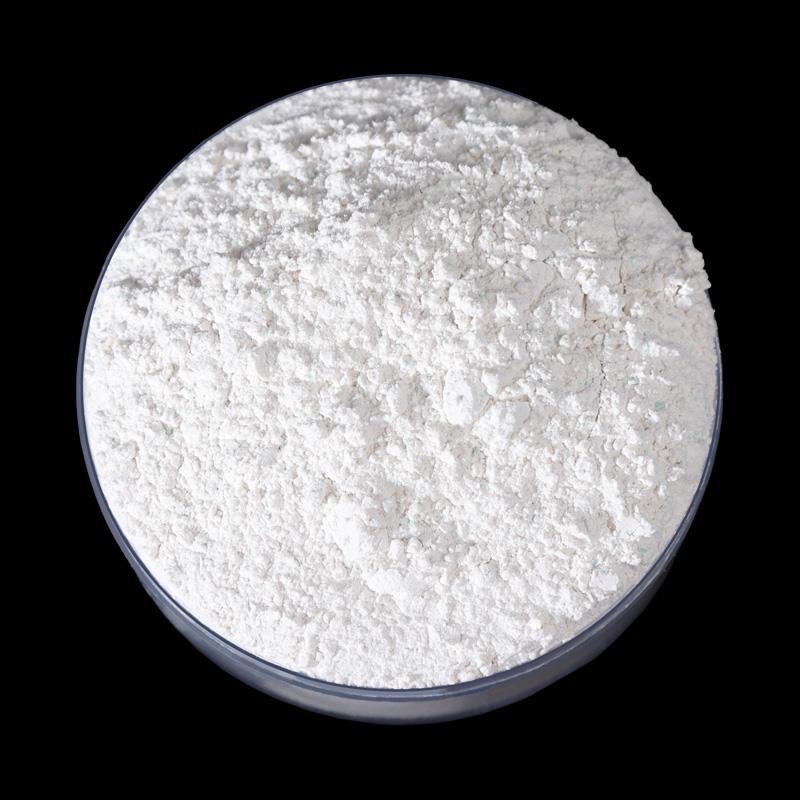
The integration of specialized chemical compounds is a critical strategy for suppressing smoke generation and halting flame spread at the molecular level. Chemical additives function by interrupting the combustion cycle. To achieve stringent safety certifications, material engineers often utilize advanced chemical solutions. For instance, integrating Flame Retardant N,N'-Ethylene Bis-Tetrabromophthalimide BT-93W into the polymer matrix can dramatically enhance the fire-resistant properties of various composite systems.
Why is this specific additive chosen by top engineers? BT-93W delivers outstanding thermal stability and excellent electrical properties, which are critical for high-voltage applications. It features a high melting point and a non-blooming profile. This means the composite maintains its structural and dielectric integrity without the additive migrating to the surface over time. Such brominated additives are highly effective because they release flame-quenching radicals at precise degradation temperatures. This effectively starves the fire of its chemical fuel without compromising the mechanical rigidity of the base material.
Transitioning from theory to practical application requires a systematic approach. How do you choose the right composite grade for your specific project? Follow this streamlined selection process.
Step 1: Define Your Thermal and Electrical Baseline. Identify the peak continuous operating temperature. If the component operates near high-voltage switchgears, prioritize paper-based phenolic grades for their superior dielectric strength. If mechanical friction is involved, opt for cotton-reinforced grades.
Step 2: Assess Chemical Exposure Risks. Will the component face petroleum solvents, mild acids, or saltwater? Phenolic composites naturally resist these, but identifying the specific chemical environment helps determine if an additional protective gel coat is necessary.
Step 3: Specify Additive Requirements. If your project falls under strict aerospace or mass transit fire codes, baseline phenolics might need a boost. Specify the inclusion of premium flame retardant solutions like BT-93W during the compounding phase to guarantee UL-94 V-0 compliance while maintaining excellent UV and thermal stability.
Because of their unique trifecta of fire safety, high-temperature endurance, and chemical inertness, phenolic composites are heavily relied upon across multiple highly regulated industries. Procurement managers select these materials when failure is simply not an option.
In the aerospace sector, material selection is strictly governed by the Federal Aviation Administration. Materials utilized in aircraft interiors must comply with rigorous Fire, Smoke, and Toxicity standards. Phenolic glass composites are the material of choice for cabin interior panels and cargo liners. Their ability to act as a non-combustible barrier ensures that in the event of an in-flight fire, the materials will not contribute to flame spread.
Similar to aviation, the mass transit industry operates under strict fire safety frameworks. Phenolic sheets are standard for train flooring and electrical enclosures. In marine environments, the material provides a robust fire barrier while simultaneously resisting the highly corrosive effects of saltwater.
High-voltage electrical environments present a constant risk of high-temperature arcs and short circuits. The booming trend of electric vehicle manufacturing requires battery enclosures that can withstand sudden thermal runaway events. Phenolic paper and cotton composites are heavily utilized in the production of switchgear components and circuit insulators.
Phenolic composites offer unmatched fire safety, high-temperature endurance, and corrosion resistance. They have cemented their status as the ultimate material for demanding engineering environments. Their remarkable success relies fundamentally on their ability to undergo pyrolysis and form a protective carbonized layer rather than melting or fueling a fire.
As regulatory standards continue to tighten globally, the compatibility of these resins with advanced additives enhances their protective capabilities significantly. Engineers, designers, and procurement managers should proactively review current material specifications to improve structural safety. Consider upgrading to high-performance phenolic composites integrated with a reliable high-performance flame retardant to ensure your projects meet and exceed next-generation safety standards. Evaluate your project requirements today and select the precise chemical solutions needed to future-proof your infrastructure.
Phenolic composites are classified as synthetic thermosetting polymers. This fundamentally dictates their behavior under extreme heat. Unlike thermoplastics, which soften and drip when exposed to fire, phenolic materials undergo a process called pyrolysis. During pyrolysis, the material chars, creating a dense, rigid carbonized layer on the surface. This carbon layer acts as a highly effective natural insulating barrier, blocking heat transfer and restricting oxygen flow.
The UL-94 standard is a globally recognized plastics flammability test. Most standard and electrical-grade phenolic composites easily achieve the highest rating for self-extinguishing plastics, which is the UL-94 V-0 rating. To achieve this classification, a vertically oriented specimen must stop burning within 10 seconds after the removal of a calibrated ignition source, and it is strictly prohibited from producing any flaming drips.
Yes, phenolic composites are renowned for their exceptional chemical inertness. This resistance is a direct result of their highly cross-linked molecular structure formed during the curing process. The dense polymer network prevents aggressive chemical molecules from penetrating the material. As a result, they maintain their structural integrity even when subjected to prolonged exposure to mild acids, petroleum-based solvents, and highly corrosive saltwater environments.
While phenolic resins are inherently fire-resistant, their performance can be systematically enhanced using specialized chemical additives. Chemical additives operate by releasing active compounds that scavenge reactive radicals in the gas phase, instantly suppressing combustion. Premium brominated additives improve thermal stability, provide excellent electrical properties, and increase the Limiting Oxygen Index of the material without causing surface blooming.
Generally, yes. Phenolic composites outperform epoxies in environments characterized by extreme heat and fire risks. While epoxy resins are highly valued for their superior mechanical strength, their thermal degradation profile is inferior to phenolics. Epoxies typically have lower continuous operating temperatures and generate significantly more toxic smoke when forced to burn.
When properly specified and installed, phenolic composites can last for decades. Their exceptional resistance to chemical corrosion, UV degradation, and thermal fatigue means they rarely require replacement due to environmental wear. This long lifecycle drastically reduces maintenance costs, making them highly cost-effective for heavy industrial and marine applications.
Absolutely. Paper-reinforced phenolic composites are specifically engineered for high-voltage environments. They possess excellent dielectric strength, meaning they resist electrical breakdown under high voltage. Combined with their non-melting, self-extinguishing fire properties, they are the ideal choice for transformer housings, switchgears, and battery enclosures where electrical arcing is a constant risk.


