Views: 0 Author: Site Editor Publish Time: 2026-09-12 Origin: Site


Quick Answer: When evaluating ethylene/propylene polymerisation catalysts for commercial polypropylene production, 4th generation Ti-Mg based Ziegler-Natta catalysts offer precise, specification-matched drop-in replacements for legacy systems. Henan Kingway Technology Co., Ltd. provides the HNKW-Z (granular) and HNKW-B (spherical) series, which are specifically designed to replace incumbent catalysts such as Lynx 1010, GF2A, Shac, ZN-M1, and Polymax 500. This guide details the technical specifications, morphology, and titanium content of these catalysts to help procurement managers and technical evaluators assess compatibility, mitigate transition risks, and ensure operational continuity for their specific polymerisation processes.
Key Takeaways:
The HNKW-Z series consists of granular 4th generation catalysts with an average particle size of 12-25 μm, engineered specifically to replace Lynx 1010, GF2A, and Shac.
The HNKW-B series utilizes a spherical morphology with an average particle size of 30-65 μm, designed as a direct drop-in replacement for ZN-M1 and Polymax 500.
Both catalyst series feature a standardized titanium content of 1.8-3.0% and are built on proven Ti-Mg based Ziegler-Natta technology.
For gas-phase operations, the HNKW-PES series provides a spherical catalyst option dedicated to full-density polyethylene production in Unipol and Innovene G technologies.
Establishing a reliable baseline technology is the first critical step for technical evaluators tasked with sourcing replacement catalysts. In modern polymerisation, 4th generation Ziegler-Natta catalysts rely fundamentally on a titanium-magnesium (Ti-Mg) base. This specific chemical formulation provides the necessary structural stability and predictable reaction kinetics required to maintain continuous commercial production without requiring extensive reactor overhauls or costly downtime.
For procurement teams and chemical engineers, understanding this baseline chemistry is vital because it dictates the parameters for integration into existing production lines. Unlike earlier catalyst generations that may have required significant process modifications, altered co-catalyst ratios, or complex handling procedures to function optimally, Ti-Mg based 4th generation catalysts are engineered to maintain consistent, standardized catalytic behavior. The active titanium sites are distributed across the magnesium chloride support in a manner that ensures predictable polymer morphology and bulk density, which are critical metrics for downstream processing and final product quality.
When sourcing Catalyst Oil And Gas components, buyers must verify that the replacement catalyst shares this fundamental architectural foundation with the legacy system it intends to replace. Without this shared Ti-Mg foundation, achieving a seamless transition without altering reactor conditions, feed rates, or thermal management protocols becomes highly improbable. Henan Kingway's product lines are built strictly on this 4th generation architecture. By adhering to this established chemical framework, the catalysts ensure that the fundamental reaction mechanics align with established industry expectations for commercial polypropylene production, thereby lowering the technical risk associated with switching suppliers and ensuring that production targets remain uncompromised.
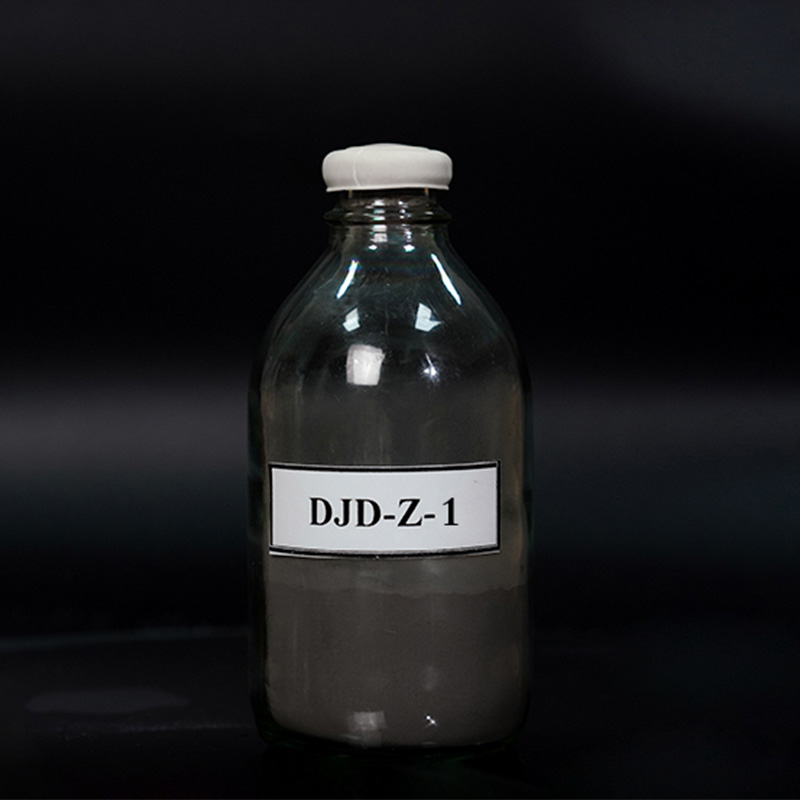
Because the foundational Ti-Mg chemistry remains consistent across these 4th generation offerings, the specific physical morphology and average particle size dictate which catalyst suits a given industrial process. Henan Kingway manufactures two primary series for polypropylene production: the HNKW-Z series and the HNKW-B series. Evaluating these Products requires a direct comparison of their physical states, particle dimensions, and active metal concentrations to ensure they match the operational constraints of the target reactor.
Specification | HNKW-Z Series | HNKW-B Series |
|---|---|---|
Catalyst Generation | 4th Generation Ziegler-Natta | 4th Generation Ziegler-Natta |
Base Chemistry | Ti-Mg based | Ti-Mg based |
Morphology | Granular | Spherical |
Average Particle Size | 12-25 μm | 30-65 μm |
Titanium (Ti) Content | 1.8-3.0% | 1.8-3.0% |
The primary differentiator between the two series is their physical morphology, which directly impacts how the catalyst handles prior to injection and how it behaves within the reactor bed. The HNKW-Z series features a granular structure with a finer average particle size ranging from 12 to 25 micrometers (μm). This granular form is typically suited for specific reactor configurations where finer dispersion of the catalyst is required to initiate the polymerisation process effectively. The 12-25 μm size ensures that the catalyst can be fed through existing dosing equipment calibrated for finer, granular materials without causing blockages or inconsistent feed rates.
Conversely, the HNKW-B series utilizes a spherical morphology with a significantly larger average particle size of 30 to 65 μm. Spherical catalysts provide entirely different flow characteristics within the reactor. The spherical shape generally improves the fluidization of the catalyst powder and can directly influence the bulk density and final morphology of the resulting polymer powder, making it a critical requirement for reactors calibrated for spherical feedstocks. The larger 30-65 μm size also alters the settling velocity and residence time within the reactor, parameters that must align with the facility's existing operational profile.
Despite these distinct physical differences, both series maintain an identical titanium content ranging from 1.8% to 3.0%. This consistency in active metal concentration is a crucial specification for technical evaluators. It means that while the physical handling, dosing mechanisms, and fluid dynamics within the reactor will differ based on the chosen series, the fundamental catalytic potential and active site availability remain standardized. Evaluators must precisely match the morphology and particle size of their current catalyst to either the HNKW-Z or HNKW-B series to ensure process continuity without needing to recalibrate the chemical balance of the reaction.
The physical specifications detailed above directly determine the compatibility of these catalysts with existing legacy systems. A true drop-in replacement must align seamlessly with the incumbent catalyst's morphology and particle size to avoid costly reactor modifications, extended downtime, or the production of off-spec transition material. Henan Kingway has engineered the HNKW-Z and HNKW-B series specifically to replace distinct legacy catalysts currently utilized across the polypropylene sector.
Important limitation: Henan Kingway manufactures the HNKW-Z and HNKW-B series as drop-in replacements; the company does not manufacture the legacy competitor catalysts themselves, nor does it guarantee exact yield improvements or performance superiority without specific, facility-level process validation.
HNKW-Z Series Drop-In Targets: This series is designed exclusively to replace legacy granular catalysts. Specifically, it serves as a drop-in replacement for Lynx 1010, GF2A, and Shac. Facilities currently utilizing these specific catalysts can transition to the HNKW-Z series to maintain their established 12-25 μm particle size parameters and granular flow dynamics.
HNKW-B Series Drop-In Targets: This series is engineered to replace legacy spherical catalysts. Specifically, it is designed as a drop-in replacement for ZN-M1 and Polymax 500. The 30-65 μm particle size and spherical morphology of the HNKW-B series match the physical profile required by reactors already calibrated for these specific legacy systems.
Selecting the correct replacement relies entirely on accurately identifying the incumbent catalyst and its physical properties. If a facility currently operates a reactor optimized for the granular Lynx 1010, introducing a spherical catalyst like HNKW-B would disrupt the established fluid dynamics, potentially altering the polymer's bulk density and causing handling issues in downstream processing. Therefore, the granular HNKW-Z must be selected to ensure the 12-25 μm particle size is maintained.
Similarly, reactors calibrated for the specific flow properties and larger 30-65 μm particle size of Polymax 500 require the spherical morphology of the HNKW-B series. Attempting to use a granular substitute in a system designed for spherical catalysts can lead to poor fluidization and uneven heat distribution within the reactor bed. By mapping the replacement directly to the legacy system's physical profile, technical evaluators can effectively mitigate the operational risks associated with transitioning to a new catalyst supplier, ensuring that the physical mechanics of the polymerisation process remain undisturbed.
While the HNKW-Z and HNKW-B series address the specific requirements of polypropylene production, gas-phase polyethylene production necessitates a different catalytic architecture. To support full-density polyethylene manufacturing, the evaluation scope must shift to catalysts engineered for distinct reactor environments. For these applications, Henan Kingway provides the HNKW-PES catalyst.
Unlike the granular options available for certain polypropylene processes, the HNKW-PES is exclusively a spherical polyethylene catalyst. This specific morphology is engineered to meet the stringent fluidization requirements of modern gas-phase reactors. In gas-phase polyethylene production, the spherical shape of the catalyst is critical; it promotes optimal gas flow and uniform heat transfer within the fluidized reactor bed. This uniformity is essential for maintaining stable production rates, preventing the formation of hot spots, and avoiding the agglomeration of polymer particles during the reaction process, which could otherwise lead to costly reactor shutdowns and maintenance.
The HNKW-PES catalyst is explicitly designed for compatibility with established gas-phase polyethylene production technologies. Specifically, it is formulated to function within Unipol and Innovene G systems. Technical evaluators operating these specific full-density polyethylene platforms can assess HNKW-PES as a viable catalyst option to maintain their current production standards. It is important to note that compatibility is strictly limited to these identified gas-phase technologies. Procurement teams and process engineers must verify their exact reactor type and current technology license before initiating a transition to ensure the HNKW-PES catalyst will perform as intended within their specific operational parameters.
Consistent drop-in performance relies heavily on strict manufacturing standards. A catalyst may possess the correct theoretical specifications, morphology, and titanium content, but without rigorous quality control during its synthesis, batch-to-batch variations can cause significant disruptions in commercial polymerisation reactors. Evaluating the supplier's operational history and quality management systems is a mandatory step before finalizing any procurement decision or initiating a plant trial.
Founded in 2001, Henan Kingway has established a long-term manufacturing footprint in the chemical sector. To ensure the consistency of its ethylene/propylene polymerisation catalysts across various Industries, the company operates under ISO9001:2000 certification, which it officially obtained in 2006. This certification mandates standardized, documented procedures for raw material sourcing, chemical synthesis, and final product testing. For technical evaluators, a supplier maintaining ISO certification for over a decade provides a verifiable baseline for quality assurance, indicating that the physical and chemical specifications of the HNKW-Z, HNKW-B, and HNKW-PES series are maintained through controlled manufacturing processes. This mitigates the risk of receiving a batch with a titanium content outside the specified 1.8-3.0% range or a particle size distribution that deviates from the required parameters.
Before contacting the supplier to request a certificate of analysis or a technical specification confirmation, procurement managers should compile the necessary operational data to ensure a precise match for their facility.
Inquiry Preparation Checklist:
Identify the exact legacy catalyst currently in use at the facility (e.g., Lynx 1010, Polymax 500, ZN-M1) to determine the correct replacement series.
Confirm the required catalyst morphology dictated by the current reactor setup (Granular for HNKW-Z or Spherical for HNKW-B).
Verify the acceptable average particle size range (e.g., 12-25 μm or 30-65 μm) compatible with the specific feed and dosing system.
Document the current production technology and phase (e.g., Unipol or Innovene G) if evaluating catalysts for gas-phase polyethylene.
Request batch-specific titanium content verification to ensure it falls reliably within the standard 1.8-3.0% range required for your process.
In the context of Henan Kingway's product line, a 4th generation Ziegler-Natta catalyst is defined by its titanium-magnesium (Ti-Mg) base. This specific chemical foundation provides the structural stability and predictable reaction kinetics required for modern polymerisation, distinguishing it from earlier generations that lacked this optimized support structure and required more complex operational handling.
Morphology directly influences the physical handling, dosing, and fluid dynamics within the polymerisation reactor. The granular structure of HNKW-Z (12-25 μm) is suited for reactors requiring finer dispersion, whereas the spherical structure of HNKW-B (30-65 μm) provides different flow characteristics that affect the bulk density of the final polymer powder. The choice must align strictly with the reactor's existing calibration to avoid process disruptions.
The HNKW-Z series is specifically engineered as a drop-in replacement for legacy granular catalysts. Its physical and chemical profile is designed to replace Lynx 1010, GF2A, and Shac in existing polypropylene production systems without requiring major process overhauls or equipment modifications.
HNKW-PES is a spherical catalyst designed exclusively for full-density polyethylene production. It is compatible with established gas-phase polyethylene production technologies, specifically functioning within Unipol and Innovene G systems, where its spherical shape aids in optimal gas flow and uniform heat transfer.
A standardized titanium content, such as the 1.8-3.0% range found in both the HNKW-Z and HNKW-B series, ensures that the active metal concentration remains consistent. This allows technical evaluators to switch physical morphologies (granular vs. spherical) to match their reactor's physical requirements without altering the fundamental catalytic potential or chemical balance of the polymerisation reaction.
To verify compatibility with your specific polymerisation process, request a detailed technical specification confirmation and a certificate of analysis for the HNKW-Z, HNKW-B, or HNKW-PES series from Henan Kingway to ensure a seamless transition for your facility.


